Freeze Prep & Protection Guide for Pools

Below-freezing temperatures can crack plumbing in hours. Follow this guide to keep water moving, protect equipment, and avoid emergency repairs during cold snaps.

Quick Summary

Pool Freeze Prep: The Essentials
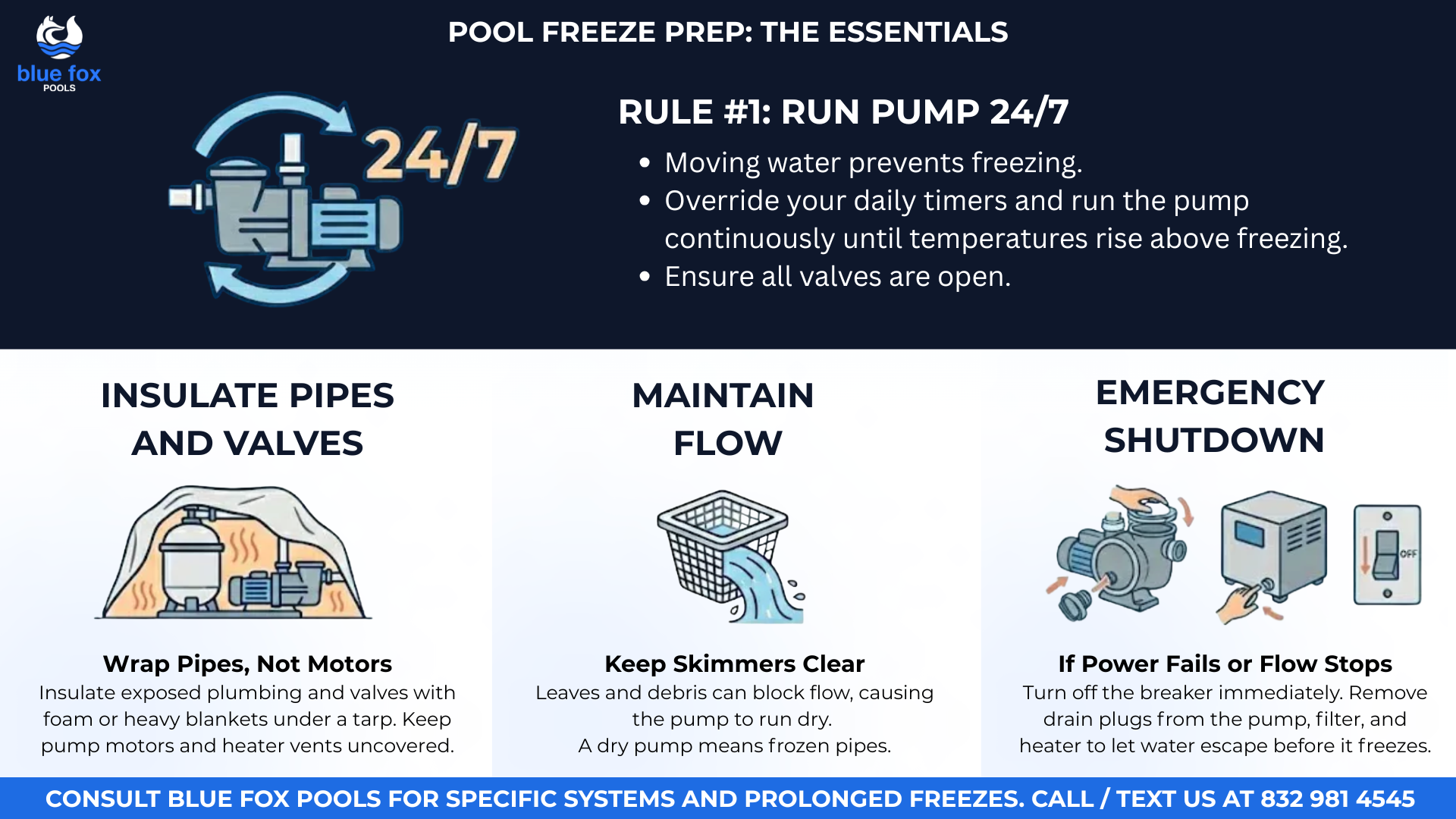
Download Printable Infographic
Pump running 24/7 icon

Rule #1: Run Pump 24/7

  • Moving water prevents freezing.
  • Override your daily timers and run the pump continuously until temperatures rise above freezing.
  • Ensure all valves are open.

Insulate Pipes and Valves
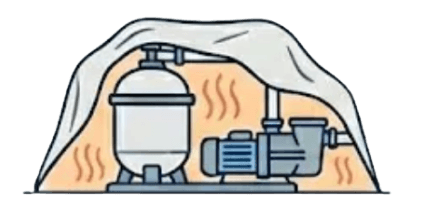
Insulated pipes and valves icon

Wrap Pipes, Not Motors

Insulate exposed plumbing and valves with foam or heavy blankets under a tarp. Keep pump motors and heater vents uncovered.

Maintain Flow
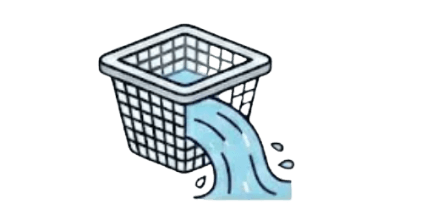
Skimmer basket and water flow icon

Keep Skimmers Clear

Leaves and debris can block flow, causing the pump to run dry. A dry pump means frozen pipes.

Emergency Shutdown
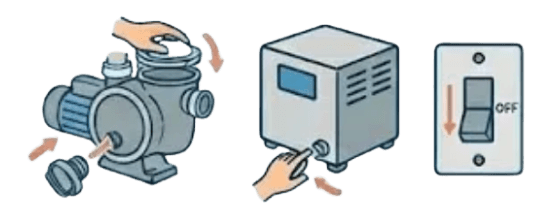
Pump shutdown and breaker icon

If Power Fails or Flow Stops

Turn off the breaker immediately. Remove drain plugs from the pump, filter, and heater to let water escape before it freezes.

Consult Blue Fox Pools for specific systems and prolonged freezes.

Call / Text 832 981 4545

Do This First

Immediate Freeze Prep Checklist

  1. Confirm automation freeze protection is enabled and set between 36-38 F.
  2. Run the pump continuously during the freeze window with strong, steady flow.
  3. Ensure valves allow flow to both pool and spa (spillway active or automation cycling).
  4. Empty skimmer and pump baskets; clean the filter if pressure is already elevated.
  5. Top off water to mid-skimmer and keep chlorine in the 3-5 ppm range.
  6. Remove robots or cleaners that could block flow; turn off the booster pump breaker and drain it if possible.
  7. Wrap exposed plumbing and valves with foam pipe insulation, pool noodles, or heavy blankets under a plastic tarp; keep heater vents open.
  8. Enable app alerts or have someone check the equipment pad if you are away.

Timeline

Freeze Timeline

24-48 Hours Before

  • Inspect equipment pad for leaks, loose unions, or low water level.
  • Confirm freeze protection settings and sensor accuracy.
  • Backwash or clean filters so flow is unrestricted.

First Overnight

  • Set pump to 24/7 operation and verify strong circulation after dark.
  • Cycle spa spillovers or water features to keep lines from sitting.
  • Recheck baskets for ice buildup or debris that could choke flow.

During Multi-Day Freeze

  • Leave valves open so all plumbing has moving water.
  • Inspect for ice around pumps, valves, and exposed elbows.
  • If flow stops or the pump loses prime, shut down and drain equipment.

After Temps Rise

  • Return schedules to normal and confirm the pump primes smoothly.
  • Walk the pad for drips or hairline cracks in fittings.
  • Test water balance and adjust for any dilution or debris load.

Systems

Protect Every Line

Automation, equipment pad, and water feature checks.

Automation & Pump Settings

  • Confirm freeze protection is assigned to the main pump and valve actuators.
  • Assign the booster pump to freeze protection if it is not drained.
  • Set the freeze-protect pump speed high enough to keep consistent flow (typically 2,500 RPM or higher).
  • Verify the temperature sensor is shaded and firmly mounted for accurate readings.
  • Keep heaters in standby unless needed for safety; monitor any error codes.

Equipment Pad Protection

  • Insulate exposed pipes, valves, and check valves with foam pipe insulation, pool noodles, or heavy blankets kept dry under a plastic tarp.
  • Shield equipment from wind with a breathable cover, but keep vents clear.
  • Keep drain plugs and unions accessible in case a drain-down is required.
  • Wipe down electrical panels and keep all covers latched.
Warning: Insulation must stay dry. Wet towels or insulation freeze solid and transfer cold faster than bare plumbing.

Water Features, Spa, and Cleaner Lines

  • Either keep water features flowing or fully drain and winterize the lines.
  • Leave spa and pool valves set for shared circulation (spillway active or automation cycling) unless the spa is drained.
  • Remove suction or pressure cleaners if they restrict flow during freeze mode.
  • If possible, turn off the booster pump breaker and remove drain plugs; if not, run it continuously and monitor closely.

Emergency Plan

Power Outage Plan

If the pump stops in freezing weather, do this in order.

  1. Turn off the breaker to prevent the pump from running dry.
  2. Open the pump lid and remove the drain plug(s) from the pump housing.
  3. Open the filter air relief valve on top of the tank to break the vacuum, then remove the filter drain plug.
  4. Drain the heater and any chlorinator or salt cell housing.
  5. Set valves halfway open so trapped water can expand (for automated valves, toggle the actuator to "off" or "manual" before turning the handle).
  6. Use a shop vac to blow or vacuum remaining water from above-ground lines.

Be gentle with heater drain plugs; plastic threads can snap in the cold. If a plug will not budge, do not force it. Focus on draining the pump and filter, and call a professional for the heater.

After The Freeze

Post-Freeze Inspection & Restart

  • Inspect for leaks before restarting; look for damp soil or dripping unions.
  • Prime the pump, confirm strong flow, and monitor filter pressure.
  • Check heaters, salt systems, and automation for error messages.
  • Thaw with warm air or a hair dryer on low; never use boiling water or chip ice.

Safety

Critical Warnings & When to Call

Do Not

  • Drain the pool or spa below the skimmer or tile line.
  • Shut off circulation and leave full plumbing exposed.
  • Block heater exhaust or cover pump motors tightly.
  • Wrap the heater body or cabinet with tarps or blankets.
  • Use open flames or unvented heaters on the equipment pad.
  • Chip ice off tile, plumbing, or equipment housings.

Call a Pro If

  • The pump loses prime or there is no flow during freeze mode.
  • You see ice on the pump, filter, heater, or valve bodies.
  • Valves are stuck, unions are leaking, or equipment is cracked.
  • Automation alarms appear for freeze protection or flow.
  • You need a drain-down and are unsure where plugs are located.

FAQ

Freeze Prep FAQ

Straight answers to the most common freeze protection questions.

Do I run my heater during a freeze?

Only if you need it for comfort or to protect a spa. Circulation is what protects plumbing. Most heaters have their own freeze protection, but they are not a substitute for running the pump.

Should the pump run all night?

Yes. When temps are below freezing, continuous circulation is the safest option. Set the speed high enough to keep strong, steady flow.

Can I turn off waterfalls or water features?

Either keep them flowing or fully drain and winterize the lines. If you shut them off, water can sit and freeze inside the plumbing.

What about my salt system?

Many salt cells stop producing below ~50-55 F. Keep the pump running and supplement with liquid chlorine if needed. Do not power a dry salt cell.

Should I cover the pool?

A cover helps reduce debris and heat loss, but it does not replace circulation. Keep the pump running even if the pool is covered.

What if I am out of town?

Confirm automation freeze protection, enable app alerts, and have a neighbor or service tech check the pad daily. If power fails, the system should be drained immediately.

Is it safe to wrap equipment?

Yes for exposed pipes and valves. Leave pump motors and heater exhaust vents clear to avoid overheating or trapped moisture.

Should I drain the pool or spa?

No. Draining risks structural damage and is unnecessary for short freezes. Keep water at mid-skimmer and maintain circulation.

Want a professional freeze readiness review?

We can confirm your automation settings, validate pump speeds, and build a clear freeze plan for your equipment pad and plumbing.

Request a Freeze Readiness Review